

If you’re a proud owner or caretaker of these majestic creatures, then you know just how vital it is to ensure their health and well-being. One crucial aspect of horse care that often gets overlooked is parasite control. Yes, those pesky critters can wreak havoc on your noble steeds if left unchecked.
If you love your horses and want to give them the best care ever, you need to be familiar with their health condition, nutrition, shelter, hoof care, and basically all about horses. Most importantly, be sure to keep them free from parasites. How? This post can help.
Deworming Schedule

Keeping your horses on a regular deworming schedule is vital to their overall health. But how often should you administer these treatments? Well, it depends! Typically, horses should be dewormed every 6-8 weeks, but factors like age, location, and exposure to other animals can influence the frequency. Consulting with your veterinarian is a must to determine the right deworming protocol for your specific situation. They’ll evaluate your horse’s risk factors and recommend an appropriate schedule.
Fecal Egg Counts
This is like a health check-up for their insides. By analyzing a small sample of manure, you can determine the number and types of parasites present in your horse’s digestive system. This information helps you make informed decisions about when to deworm and which products to use. Instead of blindly following a set deworming schedule, fecal egg counts allow you to customize your approach based on your horse’s specific needs. An experienced veterinarian can perform this simple test and provide guidance on how often it should be done.
Rotate Dewormers
Aside from those two, in your parasite control routines, you also need to rotate dewormers regularly. This means using different types of deworming medications on a schedule. Why is this necessary? Well, parasites can develop resistance to certain drugs over time, so by switching up the medication regularly, you can prevent them from becoming immune.
By rotating dewormers, you’re targeting different types of parasites at different stages of their life cycle. This ensures that no single type of worm becomes dominant and resistant. Plus, it helps to cover all the bases in terms of controlling a wide range of parasites that may be present in your horse’s environment. So, make sure to work with your veterinarian to create an effective rotation schedule for your horse’s health.
Pasture Management
By properly managing the horse’s grazing environment, you can reduce their exposure to parasites and maintain their overall health. To start, it’s crucial to practice regular pasture rotation. This means dividing your pasture into smaller sections and rotating your horses between them every few weeks. By allowing the grass in each section to rest and regrow, you minimize the risk of parasites building up in the soil. Additionally, regularly mowing or harrowing your pastures can help break up manure piles where parasites thrive, further reducing their presence in the environment.
Quarantine for New Arrivals
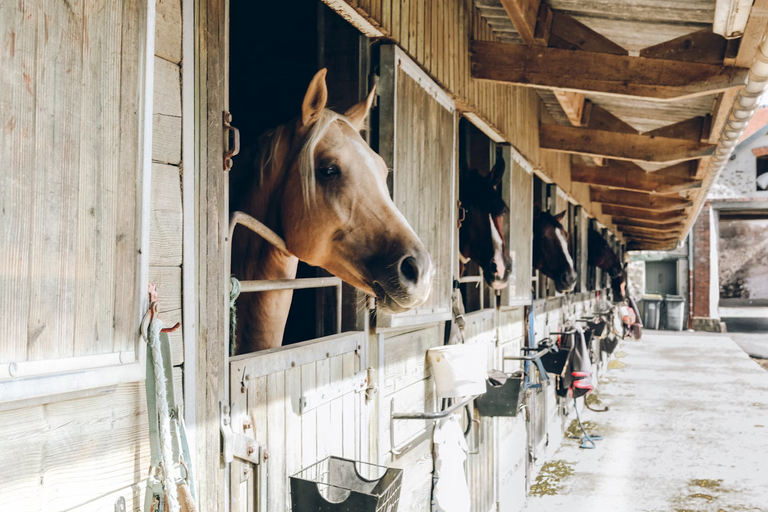
Now, what if you’re bringing new horses onto your property? One thing you can’t miss out is to quarantine those new arrivals. Quarantine is a must if you want to help cut down the spread of parasites and diseases among your horses. During the quarantine period, which typically lasts around 14 days, you’ll want to keep the new arrivals separate from your other horses. This will allow you to closely record their health and detect any potential health issues as early as possible. It also gives them time to adjust to their new environment before being introduced to the rest of the herd.
Wrapping Up
Caring for your horse’s health is a top priority, and parasite control plays a crucial role in keeping them happy and thriving. With these tips, you can ensure that your horses are protected from harmful parasites.
But, it’s also a must to always practice good biosecurity measures by regularly cleaning stalls, removing manure from pastures promptly, and maintaining hygienic conditions in the barn. This will help reduce the overall parasite load on your property.