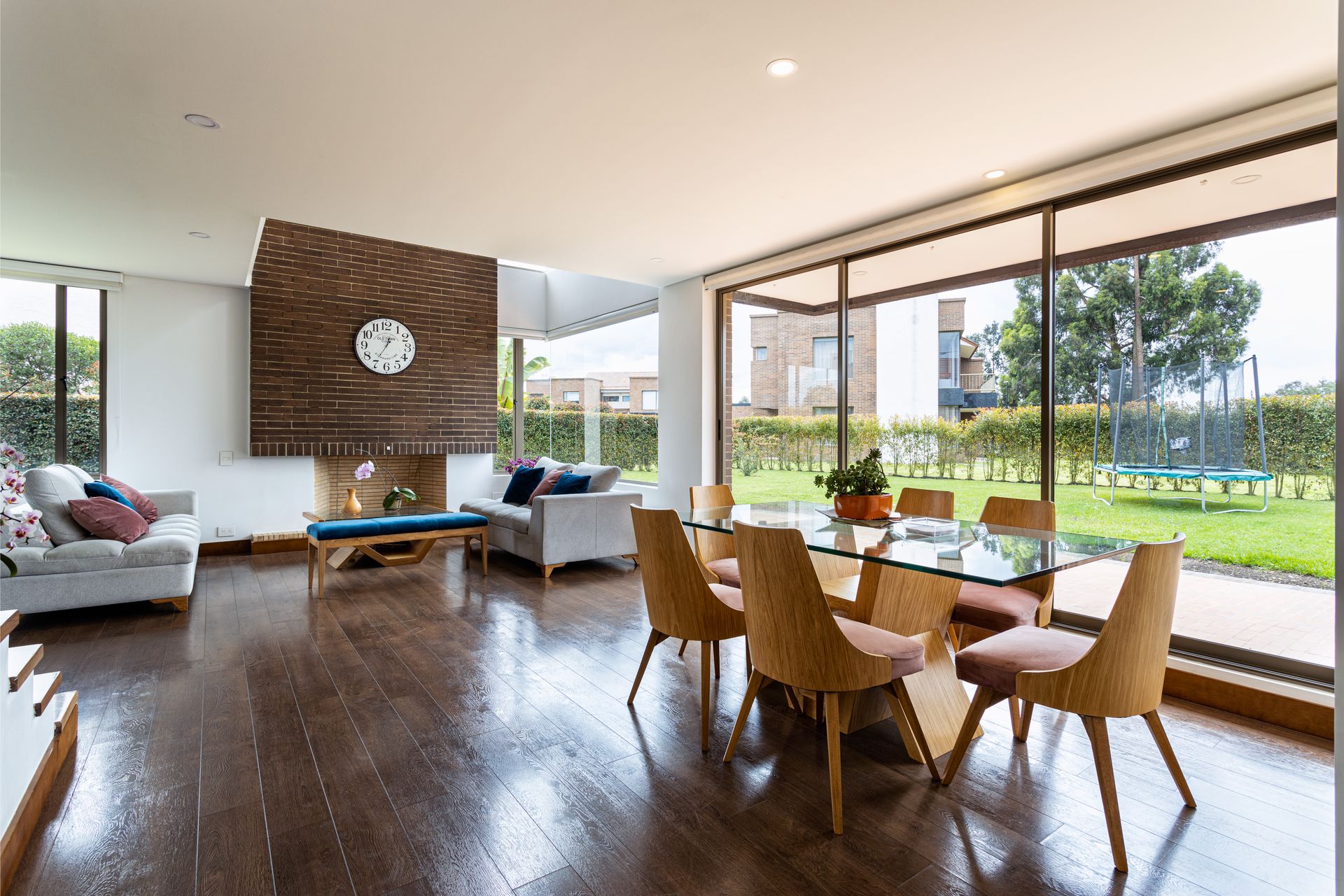
Interior flow plays a significant role in shaping everyday residential comfort, as the way spaces connect and transition within a home directly influences movement, usability, and overall living experience. A well-designed layout allows residents to move naturally between rooms without obstruction, while also supporting privacy, functionality, and efficient use of space. Poor interior flow can make even spacious homes feel cramped or disconnected, reducing comfort and practicality in daily life. A carefully structured floor plan demonstrates how interior flow can enhance residential comfort by improving accessibility and spatial coherence. This article explores how interior flow impacts everyday living and why it is a key consideration in modern home design.
How Layout Design Influences Daily Movement
The arrangement of rooms plays a central role in determining how easily people move through a residential space. In homes with efficient layouts, frequently used areas are placed in logical proximity, reducing the distance required for everyday tasks. For example, kitchens near dining areas support smoother meal preparation and serving, while bedrooms away from high-activity zones provide quieter environments for rest. When layout design fails to consider these relationships, residents may experience unnecessary backtracking or congestion in certain areas. This affects not only convenience but also the overall sense of order within the home environment.
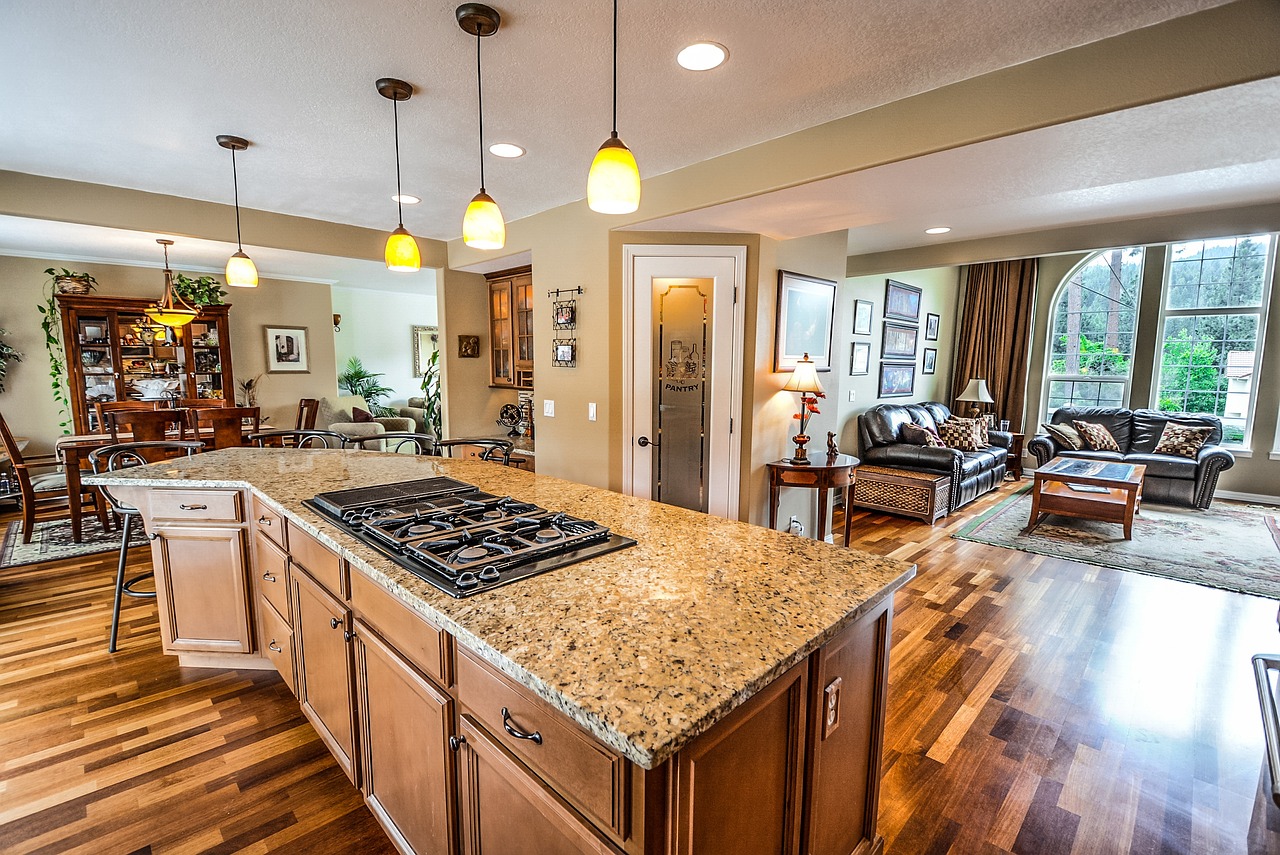
The Relationship Between Flow and Functional Zoning
Functional zoning divides a home into areas based on activity type, such as living, sleeping, and service zones. Interior flow depends on how effectively these zones are connected or separated. A well-structured home maintains clear distinctions between active and private spaces while still allowing easy access between them. For example, living areas may be designed to open to one another, while bedrooms remain more secluded for privacy. When zoning is poorly planned, overlapping functions can create disruptions, such as noise from noisy areas entering quiet areas or traffic passing through private rooms. Proper zoning ensures that movement patterns align with how spaces are intended to be used.
How Interior Flow Affects Comfort and Perception
Comfort in a residential setting is influenced not only by physical elements but also by how naturally a person can move through the space. Good interior flow creates a sense of openness and ease, making a home feel larger and more organized than its actual size. In contrast, awkward transitions or blocked pathways can make spaces feel cramped or inefficient. Psychological comfort is also affected, as predictable and logical movement patterns reduce stress during daily routines. When residents do not have to think about navigating their home, the environment feels more intuitive and supportive of everyday life.
Interior flow is a fundamental aspect of residential design that directly affects how comfortable and functional a home feels in everyday use. It influences movement, spatial relationships, and the overall experience of navigating between different areas. When flow is well designed, it supports efficient routines, enhances comfort, and creates a sense of harmony within the home. Poorly planned layouts, however, can lead to confusion, inefficiency, and reduced livability. By prioritizing thoughtful spatial organization, residential environments can better support the needs and habits of the people who live in them.