
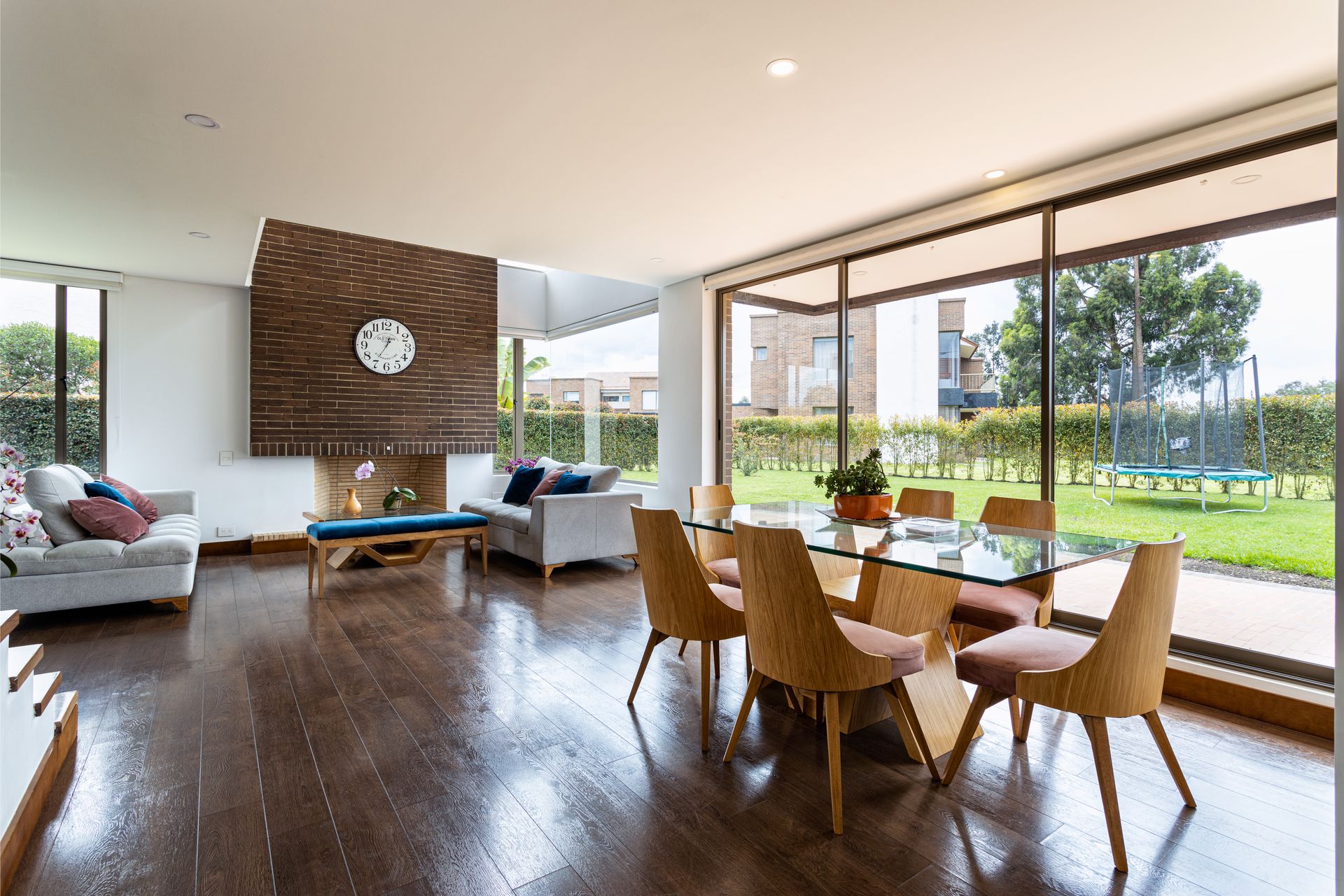
Interior flow plays a significant role in shaping everyday residential comfort, as the way spaces connect and transition within a home directly influences movement, usability, and overall living experience. A well-designed layout allows residents to move naturally between rooms without obstruction, while also supporting privacy, functionality, and efficient use of space. Poor interior flow can make even spacious homes feel cramped or disconnected, reducing comfort and practicality in daily life. A carefully structured floor plan demonstrates how interior flow can enhance residential comfort by improving accessibility and spatial coherence. This article explores how interior flow impacts everyday living and why it is a key consideration in modern home design.
How Layout Design Influences Daily Movement
The arrangement of rooms plays a central role in determining how easily people move through a residential space. In homes with efficient layouts, frequently used areas are placed in logical proximity, reducing the distance required for everyday tasks. For example, kitchens near dining areas support smoother meal preparation and serving, while bedrooms away from high-activity zones provide quieter environments for rest. When layout design fails to consider these relationships, residents may experience unnecessary backtracking or congestion in certain areas. This affects not only convenience but …